




Can an FFL Run a NICS Check on Its Own Employees? The Voluntary Firearm Handler Check Starts Today
Starting Nov. 27, 2026, FFLs can choose to run free NICS checks on consenting employees and contractors who can access guns or ammo. Who qualifies, what the results mean, and what online stores should plan.
Giancarlo Byrne
11/27/2026
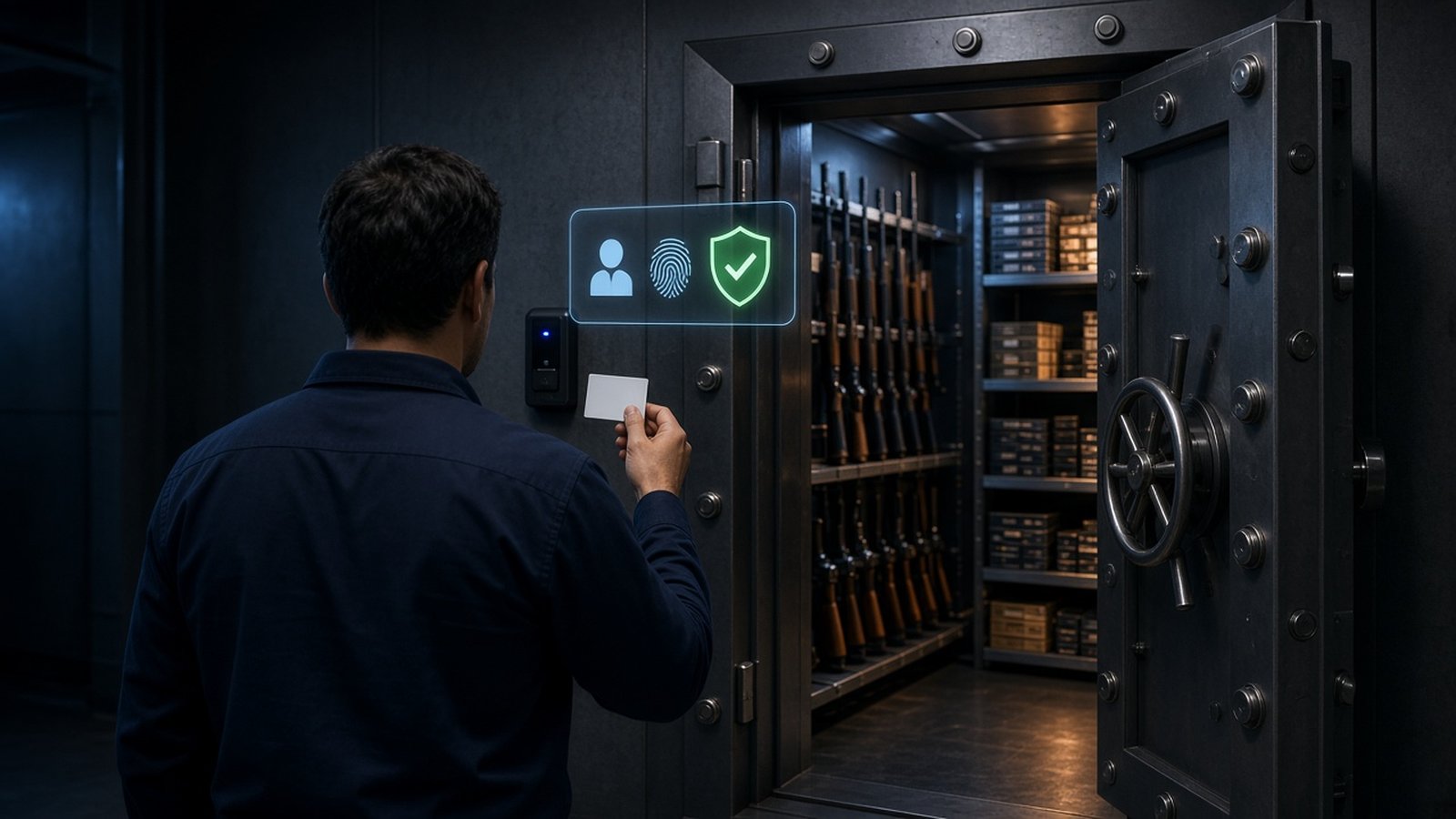
Can an FFL run a NICS background check on its own employees? Starting today, November 27, 2026, yes, if the FFL chooses to and the employee agrees in writing. A Department of Justice final rule lets licensees use NICS for “firearm handler background checks” (FHCs) on current and prospective staff who can access firearms or ammunition. It’s optional. No FFL has to use it, and nothing changes about the NICS checks you already run for buyers.
For online gun and ammo stores, this matters most in the back of the house: the people who receive inventory, work the vault, pick and pack orders, and hand boxes to the carrier. This post covers what the rule allows, what it doesn’t, and what to think through before you start. It’s general information, not legal or HR advice.
What the rule is
The rule is Federal Register document 2026-21920 (91 FR 67460), titled “Bipartisan Safer Communities Act of 2022: Criteria for NICS Background Checks of Firearm Handlers.” It was published October 27, 2026, and took effect November 27, 2026. It amends the FBI’s NICS regulations at 28 CFR part 25. The Justice Department announced it in an October 30 press release.
The rule’s own summary is plain about the choice: “FFLs are not required by the rule to submit FHCs; FFLs may volunteer to submit FHCs.” It also says there is no ban on selling firearms without running these checks. You still have to run the normal Brady Act check on every buyer.
Who you can check
The rule calls them “eligible employees.” There are three groups:
- Firearm handlers. Current or prospective employees whose duties include, or will include, “the opportunity to access firearms or ammunition.” It doesn’t matter whether they actually transfer or handle guns. Anyone whose job lets them into a device, room, or facility where your firearms or ammunition are stored counts.
- Manufacturing staff. For licensed manufacturers, people with access to materials or tools used to make firearms or ammunition.
- Contractors and agents. Independent contractors or agents who work, or want to work, at your business premises and can access firearms, ammunition, or their manufacturing components. This group was added in the final rule. It wasn’t in the 2024 proposal.
Two limits stand out. The check can cover staff who handle only ammunition, so an ammo-only fulfillment team can be included. Responsible Persons on your license are not eligible, because they’re already subject to ATF background checks, including NICS checks.
How a check works
- Written consent first. The employee must give “informed, written consent” before you submit a check. No consent, no check.
- No fee. The FBI says it will not charge for FHCs.
- Three possible answers. NICS responds “Pass,” “Pending,” or “Did Not Pass.” You won’t get the underlying record details. These are separate from the “Proceed,” “Delayed,” and “Denied” responses you see on buyer checks.
- Once a year. Generally, one FHC per eligible employee every 12 months. The exception is when you have reasonable cause to believe the employee has become subject to a potentially prohibiting event, such as a new criminal charge, a conviction, or a protection order.
- No required form yet. The rule doesn’t require a specific form. ATF has proposed a revised Form 4473 with a box for FHCs and the employee’s consent, and the Department expects ATF to publish interim guidance. Until then, watch ATF’s site for that guidance.
POC states. In states where a state agency handles NICS checks as a “point of contact,” that agency doesn’t have to process FHCs. The rule says the FBI’s NICS Section can enroll FFLs in those states in NICS E-Check so they can submit FHCs to the FBI directly. If you’re in a POC state, ask your state agency and the NICS Section how they’ll handle it.
What “Did Not Pass” means and doesn’t mean
A “Did Not Pass” response means the available records show the person is prohibited from possessing or receiving firearms and ammunition. The rule doesn’t tell you what to do next. In the Department’s words, FFLs “are not mandated to take a particular employment action.” It also says the result “does not prohibit the employer from employing that individual in a position that does not require the handling of or access to firearms or ammunition.”
The employee can appeal. FHC appeals follow the same process as appeals of a denied firearm transfer, and the person can ask for the reason behind the result. After a successful appeal, the response can change.
Keep in mind that federal law already makes it a crime for a prohibited person to possess firearms or ammunition. A check gives you information. It doesn’t decide your hiring policy, and it isn’t the only law in play. State employment, privacy, and background-check laws may also apply to how you ask for consent and act on results. Talk to an employment attorney or a firearms attorney before you write a policy.
Recordkeeping
This rule doesn’t impose a retention requirement of its own. As a best practice, it asks FFLs to keep FHC paperwork for at least 90 days. ATF’s separate records retention proposal (91 FR 24417) would make 90 days mandatory for FHC Forms 4473 if it’s finalized as drafted. It’s still a proposal. For the records you already must keep, see what records an online FFL has to keep.
A checklist for online stores
- Decide whether to use it. It’s voluntary. Some stores will check everyone with vault access, some no one.
- Map who can reach inventory. List every role and contractor with access to the vault, the receiving area, the packing line, or ammo storage. That list is your eligible group.
- Write a consent step. Get informed, written consent before each check. Have an attorney review the wording.
- Set a policy for each result. Decide in advance what happens on “Pending” and on “Did Not Pass,” including whether a role without inventory access is an option.
- Calendar the 12-month limit. Track each check’s date so you don’t re-run it early without a reason the rule allows.
- Keep the paperwork 90 days or more. File it apart from your buyer 4473s.
- Watch for ATF guidance. The interim instructions and the final Form 4473 will settle the paperwork details.
Where Automatic FFL fits
Automatic FFL handles FFL dealer selection at checkout. When an order has to ship to a licensed dealer, the buyer picks one from a map and list, and the dealer’s license details are added to the order. Automatic FFL doesn’t run NICS checks, screen employees, or keep your 4473s or bound book. See how FFL dealer selection works at checkout.
Try it on your store
Look up a transfer dealer for free. Create a free Automatic FFL account to search FFL dealers by license number, name, city, state, or ZIP, open each dealer’s ATF eZ Check record, and see which dealers have certificate data on file. Start with the FFL database. The database is not legal advice and does not replace your own compliance review.
Try Automatic FFL free for 30 days. Add FFL dealer selection to your BigCommerce, WooCommerce, or Adobe Commerce / Magento checkout (Shopify: ammunition only). You’re not charged until the trial ends, and you can cancel before then. Plans start at $99 per site per month after the trial (pricing).
- Start your BigCommerce trial
- Start your WooCommerce trial
- Start your Adobe Commerce / Magento trial
- Start your Shopify ammo trial
Sources: Final rule, FR Doc. 2026-21920 (91 FR 67460); DOJ press release, Oct. 30, 2026; Proposed Form 4473 revision, FR Doc. 2026-09182; Firearm records retention proposal, FR Doc. 2026-08929; NSSF, Oct. 26, 2026.
This article is general information, not legal advice. Regulations and ATF guidance can change. Consult a firearms or employment attorney before setting an employee screening policy.