



Shipping Ammo to California and New York: What Changes at Checkout?
Selling ammunition online to California or New York? Both states route retail ammo through an in-state vendor or dealer who runs a check in person. Here’s what that means for your checkout.
Giancarlo Byrne
10/27/2026
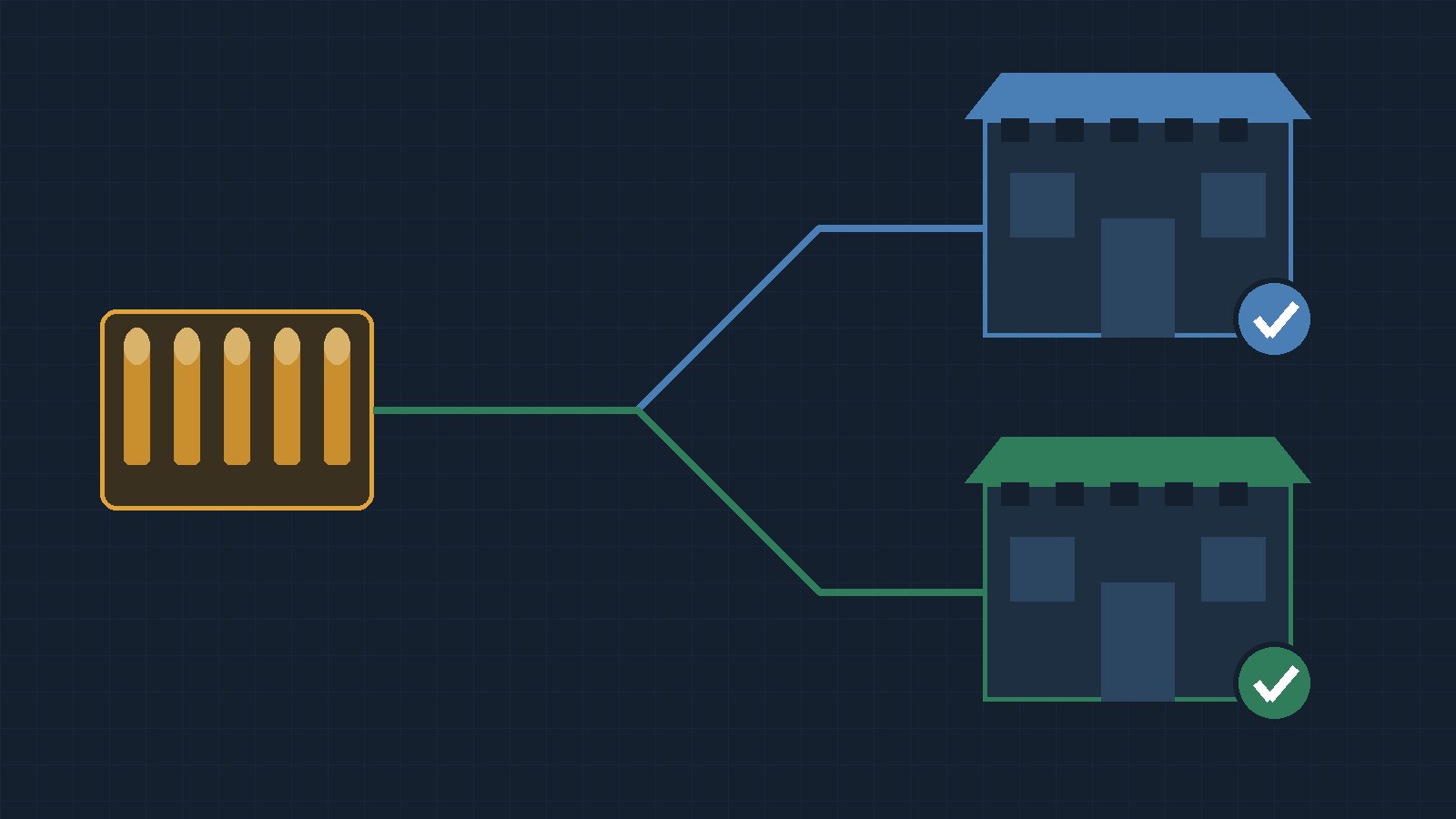
If you sell ammunition online, what changes at checkout when the order is going to California or New York? In both states, a retail ammo order can’t simply go to the buyer’s front door. It has to go through an in-state business that runs the state’s check and hands the ammo over in person. So your checkout needs to send those orders to the right kind of local business instead of the buyer’s address. Below we cover what each state requires, what that means for your checkout, and where it gets tricky. This is general information, not legal advice. For questions about your own store, talk with a firearms attorney.
California: every sale goes through a licensed ammunition vendor
California’s rule is broad. Under Penal Code 30312, “the sale of ammunition by any party shall be conducted by or processed through a licensed ammunition vendor.” Delivery may only happen face to face. Buying online is allowed, but only “if a licensed ammunition vendor initially receives the ammunition and processes the transaction.” The statute lists some exemptions, and a violation is a misdemeanor.
Before the hand-off, the buyer has to pass an eligibility check with the California Department of Justice, run electronically through the vendor. According to the CA DOJ ammunition FAQ, as of October 2026 there are a few check types:
- Standard Ammunition Eligibility Check: $5.00. The DOJ says it takes about two minutes.
- Certificate of Eligibility Verification: $5.00.
- Basic Ammunition Eligibility Check: $19.00. It “may take days,” and an approval is good for one transaction and expires 30 days after it’s issued.
The DOJ sets these fees, so check the FAQ for current amounts. The vendor may also charge the buyer a processing fee for a transaction it handles for another seller. We haven’t confirmed a set amount, so don’t promise customers a number.
California residents also can’t bring ammo bought out of state into California on their own. The DOJ FAQ says it has to be “first delivered to a licensed California Ammunition Vendor,” unless an exemption applies.
What about the court case? You may have seen headlines about Rhode v. Bonta, the challenge to California’s ammo checks. A Ninth Circuit panel ruled against the checks in 2025, but the full court agreed to rehear the case en banc on December 1, 2025, and heard argument on March 25, 2026. As of this writing, the Ninth Circuit’s en banc page shows no decision. Granting en banc review normally vacates the panel opinion, so plan on the check system applying today.
What it means for an online seller (our reading): a California ammo order ships to a California licensed ammunition vendor. The vendor receives it, runs the DOJ check, and completes the sale face to face with your customer.
New York: a dealer or registered seller does the check, in person
New York requires sellers of ammunition to register with the State Police, under Penal Law 400.03. Dealers licensed under New York’s own firearms dealer license don’t have to register separately. Before ammo goes to a buyer who isn’t a dealer or registered seller, the dealer or seller must check the statewide database, get a unique ID number for the transaction, and check a photo ID.
The law also says: “No commercial transfer of ammunition shall take place unless a licensed dealer in firearms or registered seller of ammunition acts as an intermediary,” and the transfer to the buyer “must occur in person.”
One detail matters a lot for dealer selection. The NY State Police ammunition page says New York licensed dealers are registered automatically, but “FFL’s only with no New York State Dealers license must complete the Seller of Ammunition Registration form.” In other words, holding a federal license alone doesn’t make a New York business an ammo intermediary.
New York also changed its ammo rules recently. On October 21, 2026, Governor Hochul signed S.7236, which lines up ammo background checks with firearm checks. It makes clear that people barred from owning a rifle or shotgun, or under a temporary or extreme risk protection order, can’t buy ammunition. The governor’s release doesn’t give an effective date. As we read it, the law widens who can be denied. It doesn’t create a new process for online sellers, because the in-state dealer or seller still runs the check. We covered it in more detail in New York’s October Ammo and Body Armor Changes.
What it means for an online seller (our reading): a New York retail ammo order ships to a New York licensed firearms dealer or a registered seller of ammunition, who runs the state check and hands it over in person.
What changes at your checkout
Put the two states side by side, and the checkout needs are close to the same.
- Know which products are ammunition. Your store has to tell ammo apart from accessories and other items so the right rule applies.
- Ask where the order is going before you ship it. The destination state decides whether ammo can go to a home address.
- For California and New York orders, let the buyer pick a local business to receive it. That business becomes the shipping address, and your team needs its details on the order.
- Confirm the business can actually take ammo. This is the step stores most often skip. A federal license on its own is not enough in either state. California needs a licensed ammunition vendor, and New York needs a state-licensed dealer or a registered ammo seller. Call or email the receiving business before you ship, and tell buyers to check with their local shop first.
- Set expectations with the buyer. Let them know they’ll pick up in person, pass a state check, and may pay the local business a fee.
How Automatic FFL handles it
Automatic FFL doesn’t decide which states need this. You do. In the Automatic FFL admin, you open the Ammo settings and check the states where you want ammo shipped to a dealer. You mark ammo products by category, or on BigCommerce with the product custom field ffl_type set to ammo. After that, customers shipping ammo to a state you selected are asked to pick a dealer from the map at checkout, and that dealer becomes the shipping address. Ammo going to other states can still ship to the customer’s address.
A few platform notes, based on our documentation:
- BigCommerce: ammo always ships to an FFL when there’s also a firearm in the cart.
- WooCommerce and Adobe Commerce / Magento: both support state-based ammo rules. On Magento, ammo categories follow your state rules.
- Shopify (ammunition only): customers choose a state first. If they pick one of your FFL-required states, they choose a dealer, and when restricted ammo needs an FFL, the full order goes to that dealer.
One honest limit: the dealer map shows ATF license records. It doesn’t flag which businesses are California licensed ammunition vendors or New York registered ammo sellers. Keep step 4 above in your process.
Ammo plans run $99 per site per month, or $164 for Firearms plus Ammo. See pricing for annual options.
Try it on your own store
Look up a transfer dealer for free. Create a free Automatic FFL account to search FFL dealers by license number, name, city, state, or ZIP, open each dealer’s ATF eZ Check record, and see which dealers have certificate data on file. Start with the FFL database. The database is not legal advice and does not replace your own compliance review.
Try Automatic FFL free for 30 days. Add state-based ammo rules and dealer selection to your checkout. You’re not charged until the trial ends, and you can cancel before then.
- Start your BigCommerce trial
- Start your WooCommerce trial
- Start your Adobe Commerce / Magento trial
- Start your Shopify ammo trial
Sources
- California: Penal Code 30312 (official text) · CA DOJ ammunition FAQ · Ninth Circuit en banc cases
- New York: Penal Law 400.03 (official text) · NY State Police ammunition registration · Governor’s Oct 21, 2026 release
- Automatic FFL: documentation · pricing